












Anti Fog Safety Glasses for Clearer Workdays
A lens that fogs up halfway through a cut, lift or inspection is more than annoying. It interrupts concentration, encourages workers to push eyewear onto the top of the head, and can leave eyes exposed at exactly the wrong time. Anti fog safety glasses help keep vision clear when heat, sweat, humidity and changing temperatures are part of the job.
For tradies, warehouse crews, maintenance teams and workers moving between air-conditioned vehicles and warm outdoor sites, clear safety eyewear is a practical part of staying work-ready. The right pair needs to manage fog while still delivering the impact protection, coverage and fit required for the task.
Why safety glasses fog on the job
Fog forms when warm, moist air meets a cooler lens surface. Your body heat, sweat and breathing create moisture around the face, particularly during physical work or when wearing a respirator, face covering, hard hat or hearing protection. Step out of a cool ute or site office into summer heat and the temperature difference can cloud lenses in seconds.
Some jobs create their own humid environment. Wash-down areas, food processing, cold rooms, agriculture, landscaping after rain, mining operations and workshops with changing air flow can all make fogging worse. Even on a dry construction site, a worker wearing a dust mask while grinding, drilling or cutting may find their lenses misting up.
Standard clear safety glasses can offer impact protection but still fog when conditions change. Anti fog safety glasses add a treatment or lens design intended to reduce condensation, so workers can keep their eye protection on and their line of sight clear.
How anti fog safety glasses work
Most anti fog safety glasses use a coating applied to one or both sides of the lens. Instead of allowing moisture to gather into tiny droplets that scatter light, the coating spreads moisture into a thinner, more transparent film. This makes the lens less likely to turn milky or patchy when conditions get hot and humid.
Some styles also use indirect ventilation, a wraparound profile or a fit designed to improve air movement around the lens. These features can help, but they need to suit the hazard. More ventilation may reduce fogging, for example, but it may not be the right choice where fine dust, chemical splash or airborne debris is present.
No coating is completely immune to hard work, poor cleaning habits or heavy condensation. A worker sweating under a hard hat in tropical conditions while wearing a close-fitting respirator will place far greater demands on eyewear than someone doing light work in an open shed. That is why lens treatment, frame fit and the rest of the PPE setup need to be considered together.
Anti fog is not the same as anti-scratch
Anti fog and anti-scratch treatments do different jobs. Anti fog treatment manages moisture, while an anti-scratch coating helps lenses withstand the marks that come from dust, grit and regular handling. Many quality safety glasses combine both features, which is useful for demanding worksites.
Even then, lenses are consumable PPE. Once coatings are worn away, lenses are deeply scratched or visibility is reduced, replacement is the sensible option. A scratched lens can scatter light and make it harder to spot moving plant, read measurements or see fine detail.
Choosing anti fog safety glasses for the task
Start with the actual hazard rather than choosing on lens appearance alone. Clear lenses are a common all-round option for indoor work, general construction and low-light conditions. Smoke, grey or mirrored lenses can assist with glare outdoors, but they are not suited to every indoor area or low-light task. Amber and contrast-enhancing lens options can be useful in certain environments, though they should not be treated as a substitute for suitable lighting.
For Australian workplaces, choose safety eyewear that meets the applicable AS/NZS 1337.1 requirements and follows your site PPE rules. Check the product marking and specifications, especially if the role involves higher-impact risks, side exposure, dust, chemicals or a requirement for a particular lens tint. Site supervisors and procurement teams should also check that selected eyewear aligns with their risk assessment and any client or principal contractor requirements.
Fit matters just as much as the coating. Glasses should sit securely without pinching behind the ears, slipping down a sweaty nose or pressing uncomfortably beneath a hard hat. A close, wraparound fit generally offers better side coverage from dust and flying particles, but the frame must not interfere with other PPE.
When selecting eyewear for a crew, consider these practical questions:
- Will workers wear a respirator, disposable mask or half-face mask that directs breath towards the lenses?
- Is the work mostly outdoors, indoors, in cold rooms or across changing environments?
- Is there a risk from impact, dust, splash, glare or all of the above?
- Do workers need prescription eyewear, over-spec safety glasses or a dedicated prescription safety solution?
- Will the glasses be shared, regularly cleaned or issued individually for each worker?
Getting the fit right with other PPE
Fogging is often a system problem. A pair of glasses may perform well on its own but fog quickly once a face mask, respirator or neck covering is added. Before ordering for a team, trial the eyewear with the PPE workers use during a full shift.
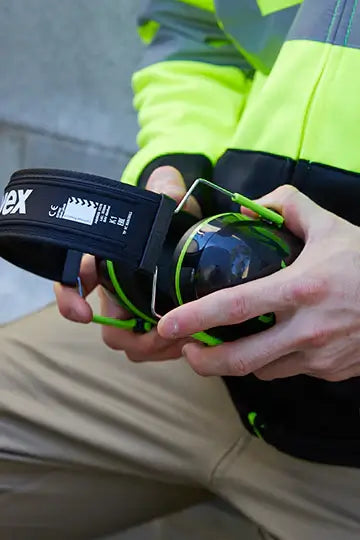
Check whether the nose bridge seals comfortably, whether the arms fit beneath earmuffs, and whether the frame clashes with a hard hat harness. If a mask is sending exhaled air straight upwards, adjusting the nose clip or mask fit may reduce fogging more effectively than changing glasses alone. Respiratory protection must still be fitted and worn according to its instructions and workplace requirements - do not compromise its seal simply to stop lenses misting up.
For workers who need prescription correction, wearing everyday glasses underneath standard safety eyewear can create pressure points and restrict ventilation. Over-spec styles can be a practical answer for occasional use, while prescription safety glasses may offer a better long-term fit for workers who rely on them every day.
Comfort supports compliance
Workers are more likely to keep PPE on when it is comfortable. Lightweight frames, soft nose bridges, adjustable arms and secure non-slip temples can make a noticeable difference across a long shift. That does not mean choosing the lightest pair regardless of task. Where there is greater exposure to debris, a deeper wraparound frame or sealed goggle-style protection may be more appropriate.
The best option is the one that provides suitable protection and stays comfortable enough to remain on the worker's face. If glasses constantly fog, rub or slide, they will end up in a pocket, on a hard hat brim or on a bench - where they cannot protect anyone.
Care that keeps anti fog coatings working
Anti fog treatments can be damaged by rough cleaning. Wiping dry dust from a lens with a shirt, glove or paper towel can scratch the surface and shorten the life of the coating. Harsh solvents and unsuitable cleaners may also affect lens treatments.
Use clean water to rinse away grit where possible, then clean with a product approved for safety eyewear or a clean microfibre cloth. Let the lenses air dry or gently pat them dry rather than aggressively rubbing them. Store glasses in a protective case or clean pouch instead of leaving them loose in a tool bag, ute console or site locker with screws and offcuts.
Inspect eyewear before each shift. Replace it if the lens is scratched, cracked, heavily hazed, loose in the frame or no longer providing clear vision. Disposable or low-cost glasses can seem economical, but frequent replacement from poor durability can cost more than choosing suitable quality PPE from the start.
When glasses are not enough
Anti fog safety glasses are suitable for many common impact and debris hazards, but they are not a universal answer. Where the risk assessment identifies chemical splash, heavy dust, high-speed particles, molten material or a need for face protection, safety goggles, a face shield or a combination of PPE may be required.
A face shield also does not replace safety glasses unless the selected equipment and work procedure specifically allow it. For grinding, cutting, chemical handling and other higher-risk work, workers may need layered protection that addresses both the primary hazard and side exposure.
For businesses supplying PPE across multiple crews, standardising on a small range of proven lens types and frame styles can make reordering easier. LODWorkwear can help keep workwear, safety footwear and practical eye protection requirements together for individual workers or uniformed teams.
Clear vision should not depend on wiping lenses every few minutes. Select anti fog safety glasses that suit the job, fit with the PPE already in use, and are cared for properly - then workers can focus on the task in front of them.


