












Choosing Hard Hats for Construction Sites
A hard hat left on the dash of a ute, rattling around in a toolbox or worn loose over a beanie is not ready for site. Head protection only works when it is the right type, correctly fitted and still in sound condition. For workers and supervisors buying hard hats for construction sites, the practical job is to match the helmet to the hazards, the conditions and the person wearing it.
On Australian construction sites, that can mean more than protection from falling objects. Workers may be exposed to moving plant, low overhead structures, electrical risk, sun, rain, dust and long shifts in high heat. A compliant hard hat is the starting point. Comfort, adjustment, ventilation and compatible PPE determine whether it stays on and does its job.
Start with the site hazard, not the colour
A hard hat should be selected as part of the site’s PPE requirements and risk assessment. On a general building site, the usual need is protection from impacts caused by falling or flying objects. This calls for an industrial safety helmet manufactured and marked to the applicable Australian and New Zealand standard, commonly AS/NZS 1801.
Do not confuse a hard hat with a bump cap. A bump cap is designed to reduce minor knocks against fixed objects such as shelving, pipes or low beams. It is useful in some warehouse, maintenance and service work, but it is not a substitute for a compliant safety helmet where there is a risk of falling objects or significant impact.
Electrical work adds another consideration. Where electrical hazards are present, use head protection specified by the site’s electrical safety procedures and confirm that any accessories are suitable. Metal components, conductive attachments and unauthorised modifications can create issues. The site safety manager or competent person should set the requirement for the task rather than relying on a one-size-fits-all purchase.
Colour may be used to identify roles, visitors or work groups, but it does not indicate protection level on its own. White, yellow, blue and other colours can all be appropriate if the helmet meets the required standard and site rules. For rail, civil, mining or major infrastructure projects, check the client specification before ordering for a crew.
What makes a construction hard hat fit properly?
The shell takes the impact, while the suspension system creates the clearance that helps manage force before it reaches the head. Both parts matter. If the harness is loose, damaged or incorrectly adjusted, the helmet can shift during a strike and reduce the protection it is meant to provide.
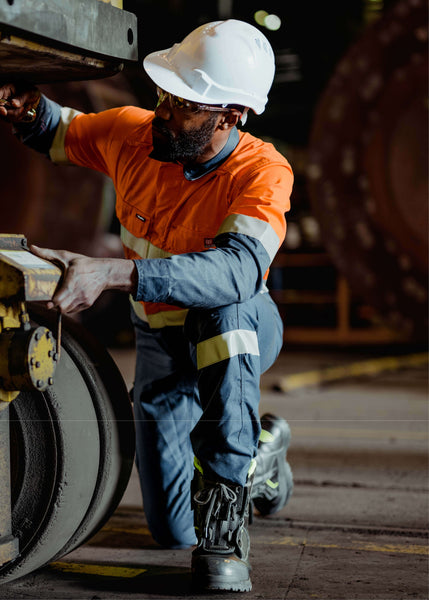
A properly fitted hard hat sits level on the head, with the peak facing the intended direction. Adjust the headband until it is firm without creating pressure points. The helmet should not move freely when the wearer bends down or turns their head. A ratchet adjustment is especially useful for crews sharing equipment between tasks or workers who need to fine-tune fit through a long day.
Chin straps can be essential on sites where workers climb, work at height, operate in windy conditions or need to look down frequently. They keep the helmet in position, but they should be purpose-made and compatible with that model. Drilling holes in the shell, tying on makeshift straps or fitting unapproved clips can compromise performance.
Hair, head coverings and prescription eyewear can all affect fit. The answer is not to loosen the harness until the helmet feels casual. Choose a helmet and adjustment system that accommodates the wearer properly. Employers supplying PPE should make fit checks available for every worker, including women and workers with different head sizes or hairstyles.
Heat and comfort are safety issues
On an Australian summer site, heat can encourage workers to remove PPE or wear it incorrectly. Vented helmets, sweatbands and well-designed suspension systems can improve comfort where the work environment allows them. However, ventilation must suit the hazard. In dusty, wet or electrically sensitive environments, the preferred shell design may be different.
A replaceable sweatband helps keep the helmet hygienic across regular use. It also makes a difference when workers are in hi vis, gloves and work boots from first light through to knock-off. Small comfort features are worthwhile when they support consistent PPE use.
Choosing hard hats for construction sites and tasks
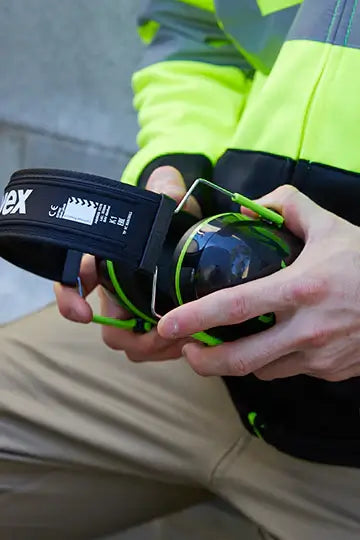
The best helmet setup depends on what the worker needs to wear with it. Construction crews often need safety glasses, hearing protection, face shields, respirators or sun protection at the same time. Buying compatible equipment avoids the familiar problem of one item pushing another out of place.
For example, a helmet with accessory slots can accept approved earmuffs or a face shield system. This is generally more secure and practical than trying to balance separate PPE around the helmet edge. If a worker needs eye protection, check that the hard hat brim and harness do not interfere with the glasses, particularly when looking up at overhead work.
Sun protection deserves attention on open civil, road and building sites. A brim extension, neck flap or hard-hat-mounted sun shade can reduce exposure, provided it is designed for the helmet and permitted by site rules. Avoid taping fabric, stickers or makeshift covers over the shell. These additions may hide cracks, interfere with inspection or affect the helmet’s intended performance.
For wet work, look for practical features such as an adjustable harness, easy-clean materials and a design that remains stable in rain. In confined spaces or areas with frequent low-level obstructions, a shorter peak or reduced-brim profile may offer better clearance. The trade-off is that a different shape may provide less shade or rain coverage, so task conditions should decide the choice.
Check markings, condition and service life
A new hard hat should have clear manufacturer markings, including the relevant standard, date information and model identification. These markings help the employer manage issue dates, replacement schedules and compatible parts. Keep the instructions supplied with the helmet. They set out the manufacturer’s limits for cleaning, storage, use and replacement.
Inspect the shell before each shift. Look for cracks, dents, chalking, deep scratches, discolouration, brittle areas and chemical damage. Check the suspension for stretched straps, broken clips, worn ratchets and missing components. A helmet that has taken a significant impact should be removed from service, even if the damage is not obvious.
Sunlight is particularly hard on plastic PPE. Leaving a hard hat on a rear parcel shelf, on a site fence or exposed in the tray of a ute for weeks can speed up deterioration. Store it out of direct UV, away from solvents, fuel, adhesives and excessive heat. A quick wipe with mild soap and water is generally a safer cleaning approach than harsh chemicals, but always follow the product instructions.
Replacement intervals vary by manufacturer, material, exposure and use. There is no practical benefit in stretching a helmet beyond its recommended service life to save a small amount on PPE. Record issue dates for company gear and replace shells or harnesses when the manufacturer specifies, after impact, or sooner if inspection identifies damage.
Avoid common hard-hat shortcuts
A hard hat is not a noticeboard, a drill platform or a storage hook. Modifying the shell can weaken it and make compliance difficult to verify. That includes drilling for a torch, cutting ventilation holes, painting the shell or covering it heavily with stickers. A small approved identification label may be allowed under a manufacturer’s guidance and site policy, but check first.
Workers should also avoid carrying a helmet by the suspension straps or stuffing gloves and tools inside it. This can distort the harness and introduces dirt where it contacts the head. When the hard hat is not being worn, place it in clean, shaded storage where it will not be crushed by other gear.
For businesses fitting out a team, standardising on a proven hard-hat range can make replacement parts, accessory compatibility and worker training easier. It does not mean every worker needs the identical setup. A supervisor working around plant, a concreter in the sun and an electrician on a fit-out may each need different compatible PPE around the same core safety standard.
Buy for the shift ahead
The right hard hat should be easy to identify, comfortable enough to wear all day and suited to the work being done. Check the standard marking, adjust the suspension correctly and pair it with compatible eye, hearing and face protection where required. LODWorkwear supplies practical PPE options for individual workers and workplace teams, helping keep site gear straightforward to source.
Before the next shift, take thirty seconds to inspect the shell and harness. That small routine is one of the simplest ways to make sure the hard hat on your head is ready when the job stops being routine.


