













Choosing Hi-Vis Shirts With Tape for Work
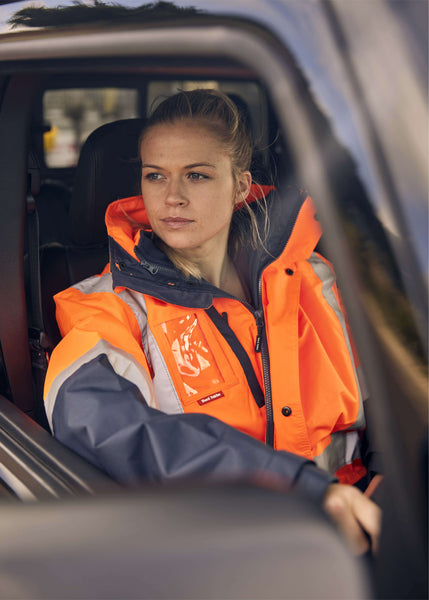
On a dawn start, beside moving plant or around a busy loading dock, being seen is part of the job. Hi-vis shirts with tape combine fluorescent fabric for daytime contrast with retroreflective tape that catches light in low-light conditions, helping workers stay visible when conditions change through the shift.
The right shirt is not simply the brightest one on the rack. Your site rules, hours of work, vehicle traffic, weather and task all affect what is suitable. A road crew working before sunrise has different visibility needs from a warehouse picker under consistent internal lighting, while a rail, civil or mining site may set its own mandatory garment requirements.
What tape adds to a hi-vis work shirt
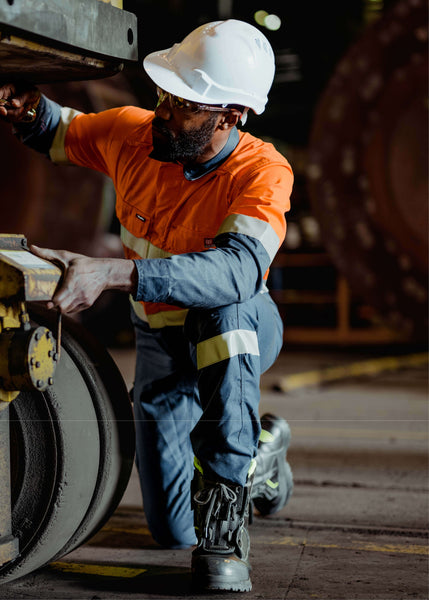
Fluorescent yellow, orange or red fabrics stand out against the background in daylight. This is useful around machinery, traffic, stockyards and active worksites, but fluorescent fabric does not perform the same way after dark. Tape contains retroreflective material that returns vehicle headlights or directed light towards its source, making the wearer easier to identify at night.
That distinction matters for workers on early starts, late finishes and changing shifts. A hi-vis shirt with tape can provide more consistent visibility across the day, provided it is designed and certified for the conditions required. Do not assume that any shirt with silver tape meets the same standard. Check the product details, garment classification and your employer's PPE policy before buying.
For Australian high-visibility garments, AS 4602.1 classifications commonly distinguish between daytime use, night-time use and day/night use. A garment intended for day/night work needs both compliant fluorescent material and compliant retroreflective material arranged as required by the standard. Site-specific rules can be more demanding, particularly in rail, transport, airport, construction and resource environments.
Choose hi-vis shirts with tape for the actual shift
Start with when and where the shirt will be worn. If you work only in daylight and the job risk assessment calls for daytime hi vis, a non-taped shirt may be appropriate. If vehicles operate nearby at dawn, dusk or overnight, taped hi vis is often the practical choice. It gives supervisors and drivers a stronger visual cue when natural light is poor.
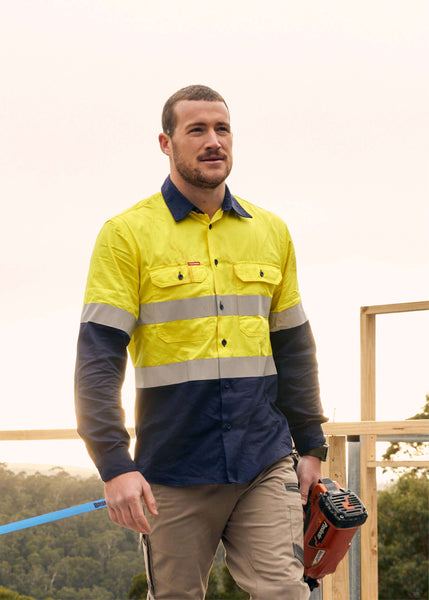
Sleeve style is also a working decision. Long-sleeve hi-vis shirts provide better coverage from sun, dust, sparks and minor abrasion. They suit civil, construction, agriculture and outdoor maintenance work, especially where sun protection is a priority. Short sleeves can feel cooler for warehouse, delivery and summer site work, but they leave more skin exposed and may not meet every site requirement.
A good fit should allow you to reach, climb, bend and operate equipment without the shirt pulling across the shoulders or riding up at the back. Too loose can catch on handles and equipment. Too tight can restrict movement and place unnecessary stress on seams and tape. For teams, it is worth supplying a proper size range rather than treating one cut as suitable for every worker.
Fabric, ventilation and weather exposure
Cotton drill remains a familiar choice for hard-wearing work shirts and is valued for comfort in dry heat. Polyester and cotton blends can offer quicker drying, colour retention and practical durability. Lightweight ripstop or ventilated panels can make a real difference for workers spending long days outdoors in Australian summer conditions.
There is a trade-off. More ventilation may improve comfort, but mesh panels, pocket placement and garment construction still need to suit the task and the relevant visibility classification. For welding, electrical work or tasks involving heat and flame, standard hi-vis apparel may not be suitable. Follow the site risk assessment and select flame-resistant or arc-rated garments where required, rather than relying on ordinary taped workwear.
In wet weather, visibility needs do not disappear. A taped shirt can be layered under compliant hi-vis rainwear, but the outer layer is what must remain visible to traffic and plant operators. Make sure jackets, vests and rainwear do not cover the tape pattern needed for the work area.
Tape placement is more than appearance
Horizontal hoop tape around the torso is common because it creates a clear break against the fluorescent fabric. Some garments also use tape on the sleeves, shoulders or a cross-back pattern to improve recognition from different angles. The best layout depends on the garment's certification and your site specification.
For workers regularly seen from behind - such as traffic controllers, road crews and loaders reversing around a yard - back visibility deserves particular attention. For forklift areas and warehouses, clear recognition from the front and sides can be just as useful. Think about the movements you make, not only how the shirt looks while standing still.
Pockets, pen divisions and radio loops are useful, but they should not compromise the tape or be overloaded until the shirt sits awkwardly. If a work shirt carries tools every day, choose a design with storage positioned away from key reflective sections and check that the pocket closures suit the task.
Care keeps reflective tape working
A taped hi-vis shirt is safety workwear, not a garment to wash without checking the label. Dirt, concrete dust, grease and grime reduce the contrast of fluorescent fabric. Abrasion, cracking and heat damage can reduce the performance of retroreflective tape.
Wash garments as directed by the manufacturer, generally inside out and with similar colours. Avoid bleach, fabric softener and harsh chemicals unless the care instructions expressly allow them. High heat can damage tape, so use a lower dryer setting where tumble drying is permitted and do not iron directly over reflective sections.
Inspect shirts before a shift. Replace garments when the background colour has faded heavily, tape is peeling or cracked, seams have failed, or permanent stains reduce visibility. A shirt may still be comfortable enough for weekend jobs, but it is no longer the right choice for a controlled worksite if its visibility performance is compromised.
Buying for a crew or uniform programme
For a single worker, the main question is whether the shirt meets the job requirement and feels right through a full shift. For a business, consistency matters too. Standardising hi-vis shirt colour, tape configuration and approved styles helps supervisors quickly identify who belongs on site and makes reordering simpler when new staff start.
Branded uniforms need careful planning. Embroidery and printing can be useful for team identification, but logos should be placed where they do not interfere with reflective tape, compliance markings or garment performance. Confirm the available decoration area before rolling out a design across a crew.
It also pays to account for different body shapes and working conditions. Offering men's and women's fits, short and long sleeves, and a choice of fabric weights makes it more likely that workers will wear the supplied uniform properly. Compliance is stronger when workwear is practical enough to stay on for the whole shift.
A quick pre-purchase check
Before ordering, confirm the garment classification required by the site, whether work occurs in daylight, low light or both, and whether long sleeves, sun protection, flame resistance or weather protection are needed. Check the tape pattern, fabric weight, available sizing and care instructions as part of the same decision.
LODWorkwear stocks hi-vis workwear for individual tradies and uniformed teams, with options suited to construction, transport, warehouse, industrial and outdoor work. The most useful shirt is the one that meets the site requirement, fits the worker properly and stays visible shift after shift.


