












Flame Resistant Workwear Australia for Safer Sites
A momentary flash fire or electrical arc can turn ordinary work clothes into another hazard. Standard cotton, polyester or poly-cotton gear may ignite, melt or continue burning after the heat source is gone. Flame resistant workwear Australian workers wear is designed to respond differently: it is built to resist ignition, limit flame spread and give the wearer valuable escape time.
That does not mean every worker needs FR clothing, or that one shirt covers every exposure. The right kit depends on the hazard, the task, the energy level, site rules and the rest of the PPE being used. For crews working around electrical systems, oil and gas, welding, foundries, mining, rail, utilities and industrial maintenance, getting the selection right is part of being ready for work.
When flame resistant workwear is required
Flame resistant workwear is used where there is a credible risk of brief, intense heat exposure. Common examples include arc flash from electrical equipment, flash fire risks around flammable gases or liquids, molten metal splash, and hot-work activities such as cutting, grinding and welding.
The key word is exposure. A worker welding a bracket in a controlled workshop may need different protection from an electrician working on switchgear, or an operator entering a hydrocarbon processing area. Welding apparel can protect against sparks and spatter, but it is not automatically rated for an arc flash. Likewise, a hi vis shirt is not automatically flame resistant just because it is heavy duty.
Your employer's hazard assessment, site PPE matrix and job requirements should drive the choice. If the site specifies an arc rating, an FR standard or a particular layering system, treat that as a minimum requirement rather than a suggestion. Check the garment label and product information before ordering, particularly where contractors move between sites with different rules.
Understanding FR ratings and standards
Labels can carry a lot of useful information, but only if you know what you are looking at. Flame resistant means the fabric and garment have been tested for a stated purpose. It does not mean the garment is fireproof, safe for every heat source or suitable for unlimited exposure.
For heat and flame work, garments may be certified to standards such as ISO 11612. Electrical workers may require clothing tested to IEC 61482-2 for protection against the thermal hazards of an electric arc. The arc rating is often expressed as an ATPV or EBT value in calories per square centimetre. In simple terms, it helps show how much incident energy the garment system can manage before there is a defined risk of second-degree burn injury.
Hi vis requirements are separate again. If workers need to be visible around traffic, mobile plant or rail operations, check that the garment meets the required high-visibility standard as well as its FR or arc rating. A garment needs to satisfy every relevant site requirement, not just one.
Do not assume that adding garments always delivers the rating you need. Layering can increase protection, but only when the individual garments and the complete system are appropriate for the hazard. Your safety manager, PPE supplier or site specification should confirm the required setup.
Selecting flame resistant workwear in Australia
Start with the work area and the task, then choose garments that keep the worker protected without making the job harder than it needs to be. In hot Australian conditions, weight, airflow and movement matter. A worker who is overheated, restricted or constantly rolling up sleeves is less likely to wear PPE properly.
Start with full-body coverage
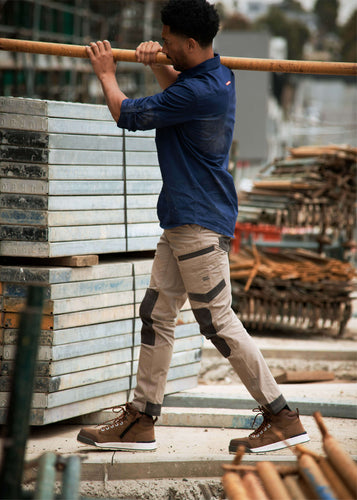
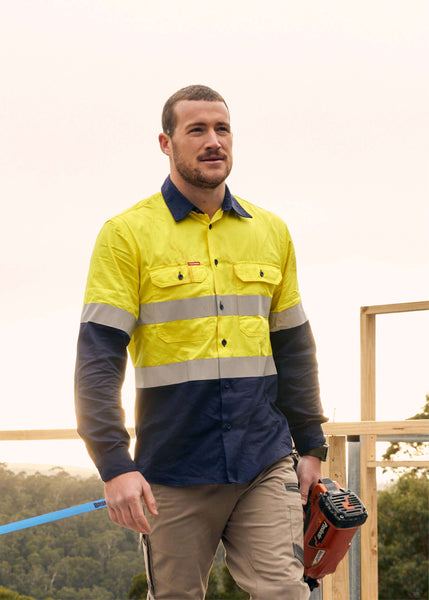
Long-sleeve shirts and full-length trousers are standard starting points for many FR applications. Exposed skin can still be injured by radiant heat, sparks or molten material, even where the core garment performs as intended. Shirts should stay tucked where the task and site procedure require it, and trousers should cover the top of the boot without excessive loose fabric.
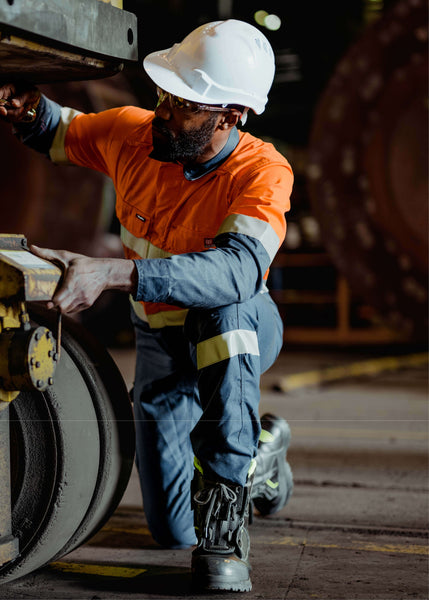
For higher-risk work, FR coveralls may offer practical all-over coverage. They are useful where workers may be exposed to dirt, oil, dust or contaminants as well as heat risks. The trade-off is heat load. In northern worksites, outdoor infrastructure work and physically demanding maintenance roles, a coverall may feel hotter than separate shirt and trouser options. Choose the protection level required, then look for a fit and fabric weight that suit the environment.
Check closures, pockets and hardware
Small design details matter. Covered press studs, protected zips and secure cuffs can reduce exposed components and help prevent sparks or heat from reaching the body. Pockets should be positioned and secured so they are practical without becoming a catch point or collecting hot debris.
Avoid wearing non-FR synthetic layers beneath FR clothing when there is an arc or flash-fire risk. Polyester, nylon and similar fabrics can melt against the skin. An FR outer layer over a melting base layer is not a complete protection system. Socks, underwear, balaclavas and other close-to-skin garments may also need to meet the site requirement.
Fit for the job, not just the change room
FR garments should allow enough room to bend, climb, reach overhead and work around equipment. Clothing that is too tight can reduce comfort and may affect the protective air gap between the fabric and skin. Clothing that is too loose can snag, catch on machinery or get in the way of close work.
Check sleeve length, shoulder movement, crotch depth and trouser length while wearing the boots and layers used on site. This is particularly important for women’s workwear, where a better cut can make a real difference to comfort and consistent PPE use. Teams ordering uniforms should offer practical size options and sample fittings where possible, rather than relying on one unisex fit for every worker.
Build the rest of the PPE around the hazard
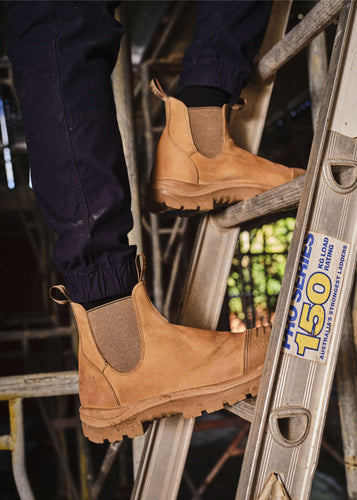
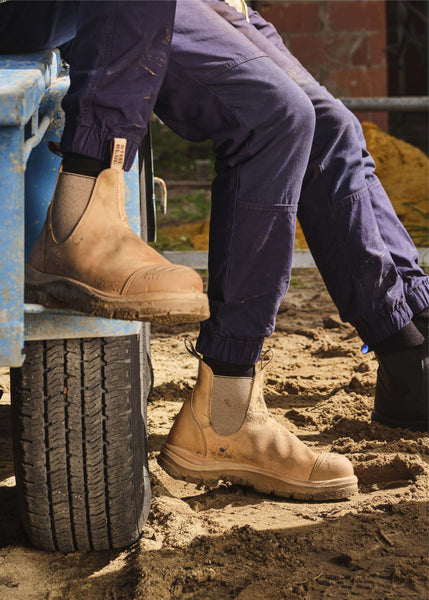
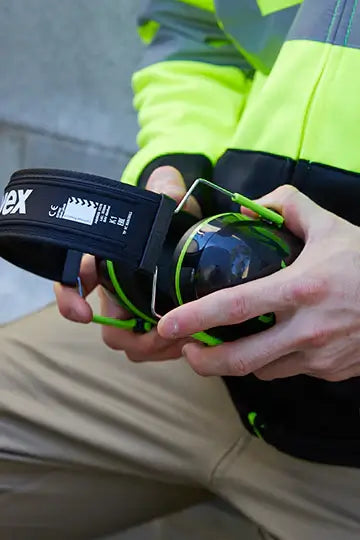
FR workwear is one part of a system. The task may also call for an arc-rated face shield or bonnet, safety eyewear, hearing protection, gloves, a hard hat and suitable safety boots. Footwear needs careful attention around electrical hazards, molten materials and flammable environments. A steel cap boot may be required for impact protection, but the full boot specification must still match the work being done.
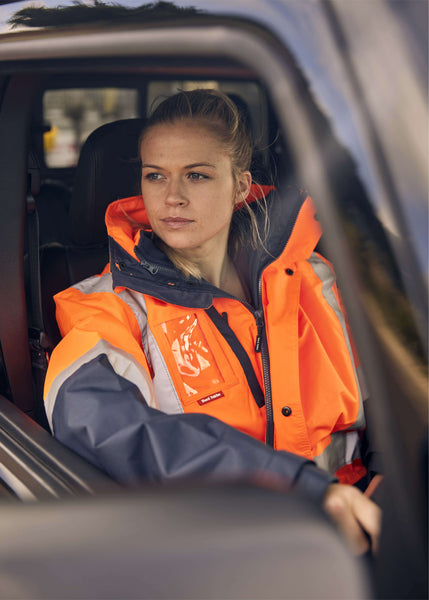
Do not cover FR clothing with a standard synthetic rain jacket, disposable over-garment or hi vis vest unless it has been approved for the same exposure. The outermost layer can be the first item hit by heat or flame. If wet weather protection is needed, look for rainwear that meets the relevant FR requirements and retains the visibility level your site needs.
For businesses supplying uniforms, branding should be considered carefully. Embroidery, patches, inks and heat-applied transfers can affect a garment's performance or certification. Confirm that any decoration method is approved for the garment and does not compromise its protective properties. LODWorkwear can help businesses coordinate practical workwear, PPE and branded uniform requirements, but the final selection should always align with the site's documented safety requirements.
Care that protects the garment's performance
FR clothing needs routine inspection and correct laundering. Dirt, grease, oil, paint, solvents and flammable contamination can create a fuel source on the surface of a garment. A shirt that is technically FR but heavily contaminated is not ready for a high-risk task.
Follow the care label exactly. Use the recommended wash process, avoid bleach or fabric treatments that are not permitted, and do not use products that may leave flammable residues. Industrial laundering may be appropriate for heavily soiled garments or workplaces with controlled PPE programs.
Inspect garments before use for holes, thinning fabric, damaged closures, failing reflective tape, contamination and unauthorised repairs. A small tear may seem harmless, but it leaves a gap in the protective barrier. Replace damaged garments rather than patching them with ordinary material.
FR treatment and construction can also have service-life limits. Some garments are inherently flame resistant, while others use treated fabric with stated laundering limits. Check the manufacturer instructions and keep records where your workplace PPE program requires them.
Buy for the exposure, then wear it properly
Price matters when fitting out a crew, but the cheapest garment is not a saving if it does not meet the site's specified rating, wears out early or is too uncomfortable to be worn correctly. Focus first on verified protection, suitable fit and the features the job actually needs. Then consider durability, laundering demands, hi vis requirements and uniform consistency across the team.
The right FR kit should let workers get on with the job while giving them the protection their risk assessment calls for. Check the label, check the fit, keep it clean and replace it when it is no longer fit for service - because PPE only helps when it is the right PPE, worn the right way.


