











Choosing Waterproof Work Jackets Australia
A wet shift is hard enough without a jacket that soaks through at the shoulders, catches on equipment or leaves you sweating by smoko. The right waterproof work jackets that Australian workers wear need to handle more than rain. They need to suit the job, the season, the level of physical work and any site visibility requirements.
For construction crews, warehouse teams working in open loading areas, rail workers, farmers, maintenance staff and road crews, rainwear is part of staying productive and comfortable. A waterproof jacket is not simply an outer layer to keep in the ute. It is work gear that has to move well, wear hard and still do its job when the weather turns.
What makes a work jacket properly waterproof?
Waterproof and water-resistant are not the same thing. A water-resistant jacket can shed a light shower for a short time, but may wet out during steady rain or when water sits on the fabric. A properly waterproof work jacket uses a waterproof outer fabric or membrane, along with taped or sealed seams that stop water entering through the stitching.
Seams are often the difference between a jacket that works in a drizzle and one that holds up through hours of rain. Water naturally finds stitch lines around the shoulders, sleeves and bonnet. If those seams are not sealed, moisture can work through even where the main fabric looks heavy-duty.
Look for a jacket described as waterproof rather than showerproof when you work outdoors in regular rain. Features such as storm flaps over zips, adjustable cuffs, a high collar and a fitted bonnet also matter. They close the common entry points where rain is pushed in by wind, movement or vehicle travel.
Waterproof ratings can help compare garments, but they should not be the only factor. A higher hydrostatic head rating generally indicates greater resistance to water pressure. For occasional site use, a moderate rating may be suitable. For workers exposed to prolonged rain, kneeling surfaces, wind-driven weather or frequent wash cycles, better seam sealing and more durable fabric are just as important as the rating itself.
Choose waterproof work jackets that Australian conditions demand
Australian weather can change quickly. A cold, wet morning in Melbourne, a windy coastal shift, tropical downpours in the north and winter rain in regional areas all put different demands on workwear. Start with the conditions your crew actually faces, rather than buying the heaviest rain jacket available.
For active outdoor work
If you are climbing, carrying, operating machinery or moving between jobs all day, breathability deserves close attention. A completely sealed jacket can keep rain out but trap body heat and moisture inside. That can leave you damp from perspiration, especially when working hard in mild or humid conditions.
Choose a waterproof jacket with ventilation features where possible, such as underarm vents, mesh-lined openings or breathable fabric construction. A lighter shell worn over a work shirt or fleece often gives more flexibility than a heavily insulated rain jacket. You can add or remove layers as the temperature changes without giving up weather protection.
For cold, wet shifts
For early starts, winter site work and exposed locations, insulation becomes more useful. A lined waterproof jacket can reduce the number of layers required and keep wind off the body. The trade-off is bulk. Thicker jackets can feel restrictive when working overhead, driving plant or moving through tight spaces.
A practical option is a waterproof outer shell with enough room for a hoodie, thermal layer or fleece underneath. This gives workers more control across the day. It also means the outer jacket can stay in service through wet but warmer months.
For high-visibility requirements
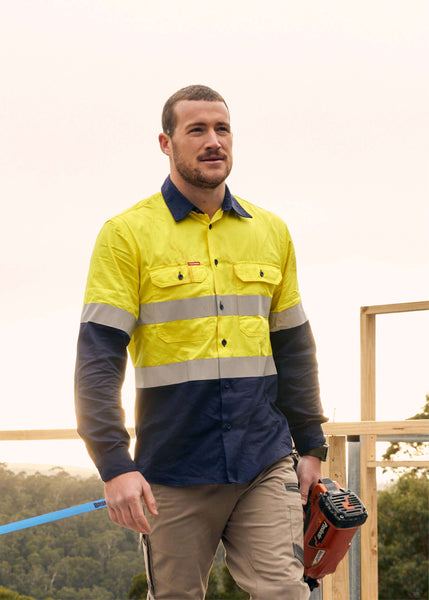
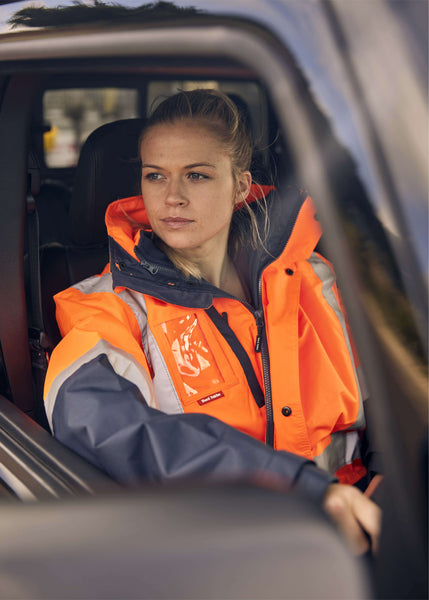
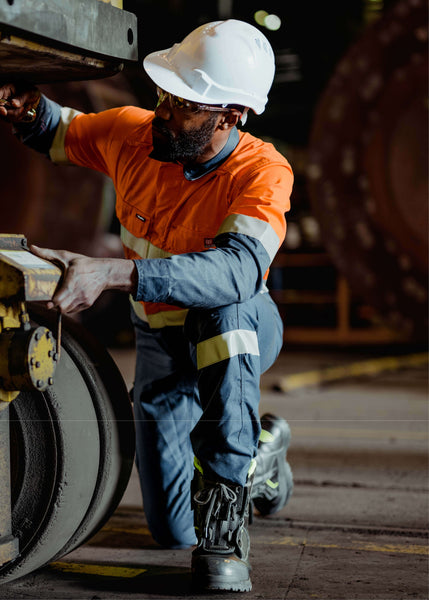
Where hi vis clothing is required, a waterproof hi vis jacket needs to provide both weather protection and visibility. Fluoro fabric and reflective tape should be positioned so they remain clear when the jacket is worn with other PPE, a harness or a tool belt.
Check your site rules before ordering. Some workplaces require day-only, night-only or day/night hi vis garments, while others specify particular colours or compliant reflective configurations. A good rain jacket cannot replace the required hi vis layer if it does not meet the conditions set for the worksite.
For crews working near traffic, mobile plant, rail corridors or low-light loading areas, visibility should never be treated as an add-on. Select the appropriate hi vis waterproof outerwear from the start, and make sure every worker has sizing that allows the jacket to be worn closed properly.
Fit matters when rainwear is workwear
A waterproof jacket that is too tight across the shoulders will pull up at the waist every time you reach, lift or bend. One that is too loose can catch wind, snag on equipment and make detailed tasks awkward. Work jackets need room to layer, but they still need a functional fit.
Pay attention to sleeve length and cuff adjustment. Sleeves that stop short can expose gloves and shirt cuffs to rain. Adjustable cuffs help direct water away from the wrist and also reduce draughts. A dropped tail is useful for workers who spend time bending, crouching or travelling between sites in open vehicles.
The bonnet is another feature worth checking. A bonnet should be adjustable enough to stay in place without blocking side vision. For hard-hat users, make sure the bonnet design suits the helmet arrangement used on site. In some jobs, a bonnet may not be practical around moving equipment or where it affects awareness, so a high collar and a wide-brim hard-hat attachment may be the better setup.
Women’s waterproof work jackets should be selected for work-ready fit rather than simply sizing down a men’s style. Better shoulder, sleeve and body proportions can improve movement and reduce excess fabric. For businesses ordering uniforms, offering a suitable range of fits helps every worker wear rainwear as intended.
Fabric durability and the details that earn their keep
Wet-weather gear gets a hard life. It is dragged over toolboxes, brushed against scaffolding, packed into a bag, left in the ute and washed after muddy shifts. Lightweight fabric has its place, particularly for emergency rain protection, but regular site use calls for a jacket that can handle abrasion and repeated wear.
Look closely at the high-wear areas. Reinforced shoulders, durable zip construction and sturdy pocket edges can extend the useful life of a jacket. A front storm flap helps protect the zip from rain and grime. Quality closures are especially useful when gloves are on and the weather is poor.
Pockets should match the task. Secure chest pockets can protect a mobile or paperwork, while larger front pockets are handy for gloves and small tools. Keep in mind that pockets are not automatically waterproof just because the jacket is. If you carry electronic gear or paperwork in heavy rain, use separate waterproof storage as well.
Colour also has a practical role. Navy, black and two-tone work jackets can hide dirt better for general trade and maintenance work. Hi vis colours are the right choice where visibility is required. Neither option is universally better - the job, site rules and safety assessment should decide it.
Care keeps waterproof jackets working longer
A waterproof jacket needs basic care to maintain its performance. Dirt, oil, concrete dust and detergent residue can affect breathability and reduce the ability of the outer fabric to shed water. Follow the garment care label, close zips and fasteners before washing, and avoid harsh cleaning methods that can damage coatings or reflective tape.
Do not assume a jacket is finished when water starts beading less effectively on the surface. Sometimes the waterproof membrane and sealed seams are still doing their job, while the outer water-repellent finish needs cleaning or reproofing. On the other hand, damaged tape, torn fabric and failed seams are signs the garment may no longer provide dependable protection.
For uniform managers, inspect wet-weather jackets before the rainy season rather than waiting for the first storm. Check sizing, reflective tape condition, zips, bonnets and stock levels. Replacing worn rainwear before a crew needs it avoids rushed purchasing and workers making do with unsuitable gear.
Buy for the job, not just the forecast
A compact waterproof shell may be right for a sparky moving between indoor and outdoor calls. A fully seam-sealed hi vis rain jacket may be necessary for civil crews working beside roads in sustained weather. An insulated waterproof jacket can make sense for cold morning starts, while a breathable shell will better suit active workers in humid conditions.
LODWorkwear brings together waterproof workwear, hi vis clothing, PPE and work boots so workers and teams can match their gear to the conditions on site. Check the garment features against the job, allow room for the layers you actually wear, and keep a dry, serviceable jacket ready before the clouds roll in.


