












Women’s Workwear for Tradies That Works Hard
A women’s work shirt that rides up when you reach overhead, pants that catch at the knees, or work boots that rub before smoko are not minor annoyances. They make a long shift harder and can get in the way of safe, confident work. Women’s workwear for tradies needs to be built for the actual demands of site work - lifting, climbing, kneeling, driving, working outdoors and moving between jobs.
The right gear starts with fit, but it cannot stop there. It also needs the durability, visibility and protective features your trade, site rules and conditions call for. Whether you work in construction, warehousing, maintenance, agriculture, rail or a workshop, choosing workwear by task makes buying easier and helps your kit last.
Start With a Fit Made for Work
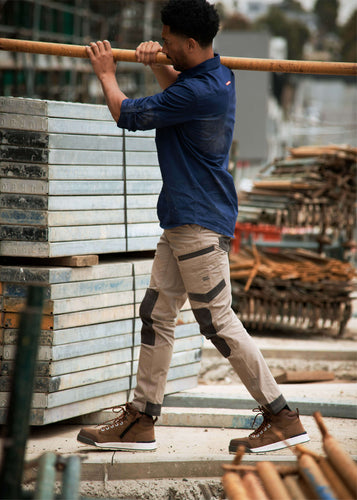
Women’s workwear should provide room to move without excess fabric that can snag on equipment or feel bulky under a harness, jacket or tool belt. A women’s cut is not about appearance. It is about shoulder width, sleeve length, hip room, rise and knee placement that better suit the wearer.
For work pants, look closely at the rise and waistband. A higher back rise can help keep pants in place when bending and crouching, while a contoured waistband reduces gaping. Stretch panels or stretch fabric are useful for trades involving frequent climbing, squatting and getting in and out of vehicles. They are not always essential, though. For abrasive work, a heavier cotton drill pant may offer better long-term wear, particularly when combined with reinforced knees.
Shirt fit matters just as much. Long enough to stay tucked in, a practical women’s work shirt should allow full reach through the shoulders and arms. On hot days, lightweight breathable fabric and vented panels can make a real difference. In cooler weather, choose layers that do not restrict movement rather than relying on one oversized jumper.
It is worth trying a new brand or style around the movements you make every day: reach up, sit in the ute, crouch, climb a step and bend to pick something up. If it binds or shifts in the change room, it will be worse halfway through a shift.
Choose Women’s Workwear for Tradies by Task
There is no single best set of workwear for every tradie. A painter working indoors, a civil construction worker on an exposed site and a sparky moving through commercial buildings face different hazards and weather. Start with the job, then match the garment features to it.
For construction, maintenance and workshop work, durable work pants with tool pockets, secure mobile pockets and reinforced high-wear areas are practical. Cargo pockets are handy, but only if they sit flat and do not interfere with kneeling or moving through tight spaces. If you carry tools on your belt, simpler pants may be more comfortable.
For outdoor work, sun protection and coverage deserve proper attention. Long-sleeve shirts with a UPF rating, collars and lightweight fabric can provide more reliable protection than constantly reapplying sunscreen alone. On exposed jobs, a broad-brim hard hat attachment or neck flap may also be required under site policy.
For wet conditions, waterproof rainwear needs to keep water out while allowing enough movement for physical work. A cheap rain jacket can be fine for keeping in the ute for a short shower. For regular outdoor use, look for taped seams, adjustable cuffs, a protective hood and fabric tough enough to handle daily wear. Waterproof gear can run warmer than standard workwear, so consider whether you need it for all-day use or as an outer layer when the weather turns.
For hot Australian conditions, lighter shirts and pants help, but durability still matters. Cotton drill is a proven workwear fabric, while cotton-rich stretch blends can offer comfort where mobility is a priority. The right choice depends on the work. Welding, grinding or other hot-work tasks may require flame-resistant clothing specified by your employer rather than standard lightweight gear.
Hi Vis Is About More Than Being Bright
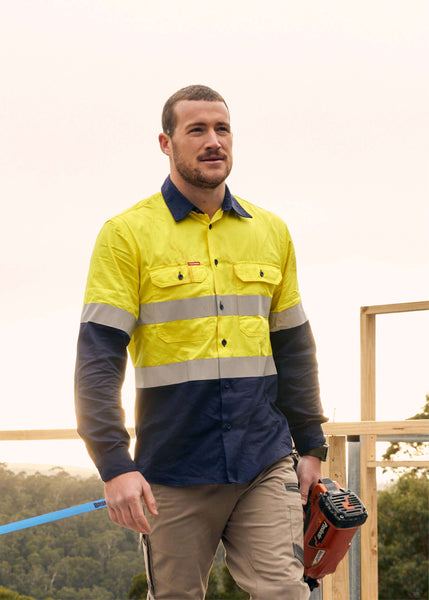
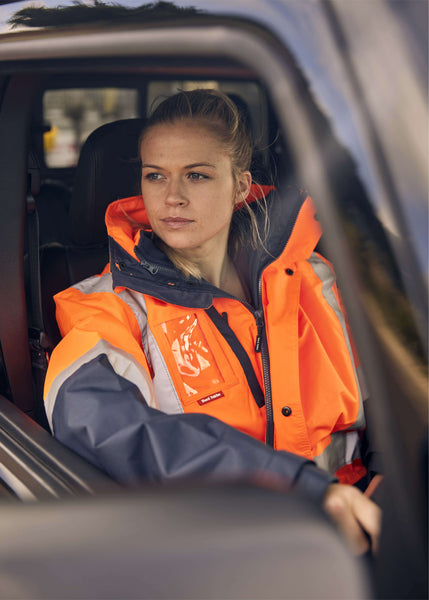
Hi vis workwear needs to meet the visibility requirements of the site, roadwork zone or workplace. A bright shirt is not automatically compliant. Depending on the work environment, you may need day-only hi vis, night-only reflective tape or a garment designed for both day and night use.
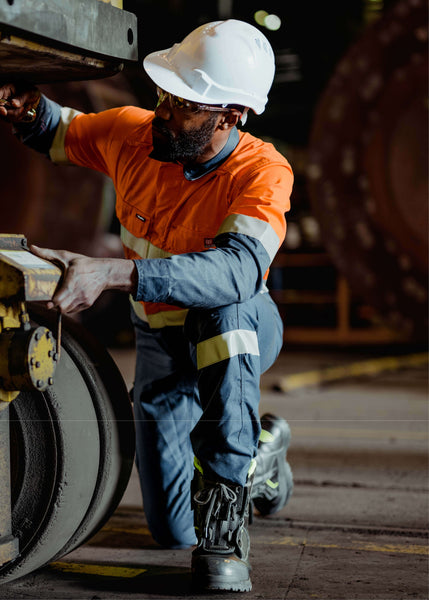
Make sure the garment type matches the requirement. A hi vis polo may suit a warehouse or delivery role, while a long-sleeve taped shirt offers more coverage for outdoor construction and road-related work. Dirty, faded or damaged hi vis is less effective, so rotating shirts through the wash is a practical way to keep your gear work-ready.
Layering also matters. If you put a plain jacket over a compliant hi vis shirt, the visible coverage can be lost. In cold or wet conditions, use a hi vis jumper, jacket or rain jacket with the required tape configuration. Check the site induction information before buying, especially where a particular standard or colour is specified.
Get Your Work Boots Right First Time
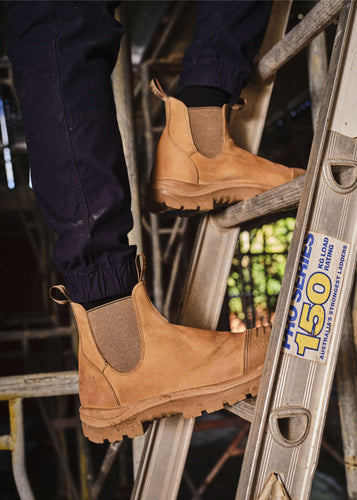
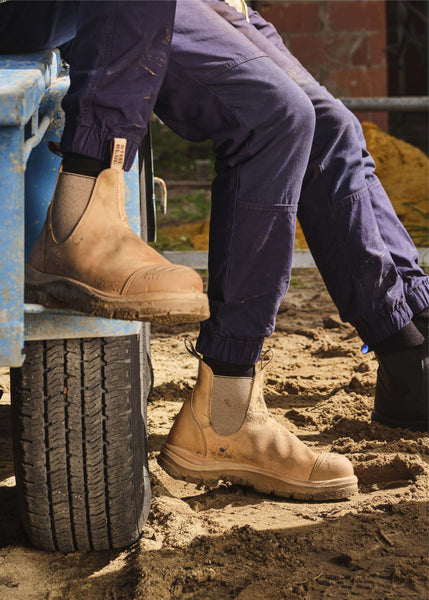
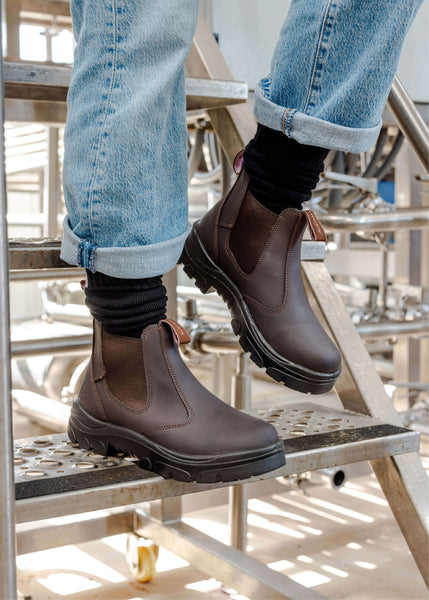
Footwear is one of the biggest decisions in women’s workwear for tradies. A good pair of work boots supports long days on concrete, uneven ground, ladders and site stairs. The wrong pair can lead to sore feet, blisters and fatigue that follows you home.
Steel cap boots are a common requirement on construction, industrial and logistics sites, but the toe cap is only one feature to consider. Choose boots based on the hazards and conditions of your role. Slip-resistant outsoles are valuable on wet or oily surfaces. Waterproof boots suit wet ground and rainy conditions, although they may feel warmer in summer. Anti-static options can be needed for certain workplaces, while airport-friendly composite toe boots may suit workers who regularly pass through security.
A women’s fit can provide a more secure heel hold and a shape that better supports narrower feet. Still, sizing differs between brands, so do not buy purely on the size printed on your casual shoes. Try boots on with the socks you wear to work, preferably later in the day when feet have naturally expanded. Your toes need room to move without hitting the cap, while the heel should stay secure as you walk.
Break new boots in before relying on them for a full shift where possible. Wear them for shorter periods, use quality work socks and address rubbing early. A good boot should feel supportive from the start, not like something you need to endure for weeks.
Build a Layering System That Suits the Season
Worksites can move from a cold early start to full sun by lunchtime. A practical workwear system lets you add or remove layers without losing protection or visibility. Begin with a breathable base layer or work shirt, add a mid-layer such as a fleece or hoodie for warmth, and keep a job-ready outer layer for wind and rain.
Avoid relying on cotton hoodies as your only cold-weather option if you work in wet conditions. Once saturated, cotton can stay wet and cold. A purpose-made work jacket or rain layer is more suitable when the forecast is unreliable.
For women working in changing conditions, it also helps to keep a spare shirt, socks and rainwear in the ute or locker. A dry change of gear is not a luxury after a soaked shift. It can make the trip home safer and the next day more comfortable.
Do Not Treat PPE as an Add-On
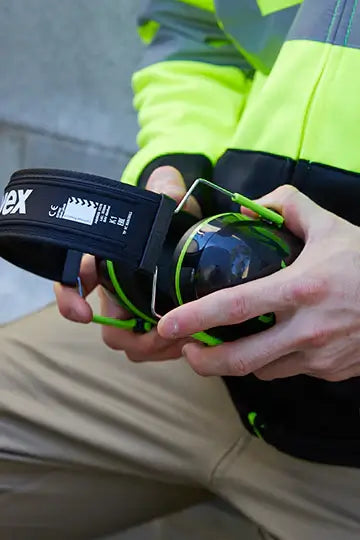
Clothing and footwear are part of the job-ready kit, but they work alongside PPE. Safety glasses, gloves, hearing protection, respirators and hard hats need to be selected for the task and worn correctly. The most expensive work shirt will not protect you from dust, noise, flying debris or chemical exposure.
Fit remains important here too. Safety eyewear should sit securely without slipping, gloves need enough dexterity for the job, and hearing protection needs a proper seal. If you wear prescription glasses, long hair, a respirator or other equipment, test how everything sits together before starting high-risk work.
Follow your workplace requirements, relevant Australian Standards and the manufacturer’s instructions. Where PPE is damaged, contaminated or past its usable condition, replace it. Gear that is in the bottom of a toolbox cannot do its job.
A Practical Buying Checklist
Before ordering women’s workwear, check these five points:
- Your employer or site’s requirements for hi vis, footwear and PPE.
- The weather and exposure you work in most often.
- The movements and high-wear areas involved in your trade.
- The pockets, storage and garment features you will actually use.
- Sizing information for each brand, especially for work boots and fitted pants.
The best workwear earns its place every shift. Choose gear that fits properly, meets the required protection level and keeps you comfortable enough to focus on the work in front of you.


